
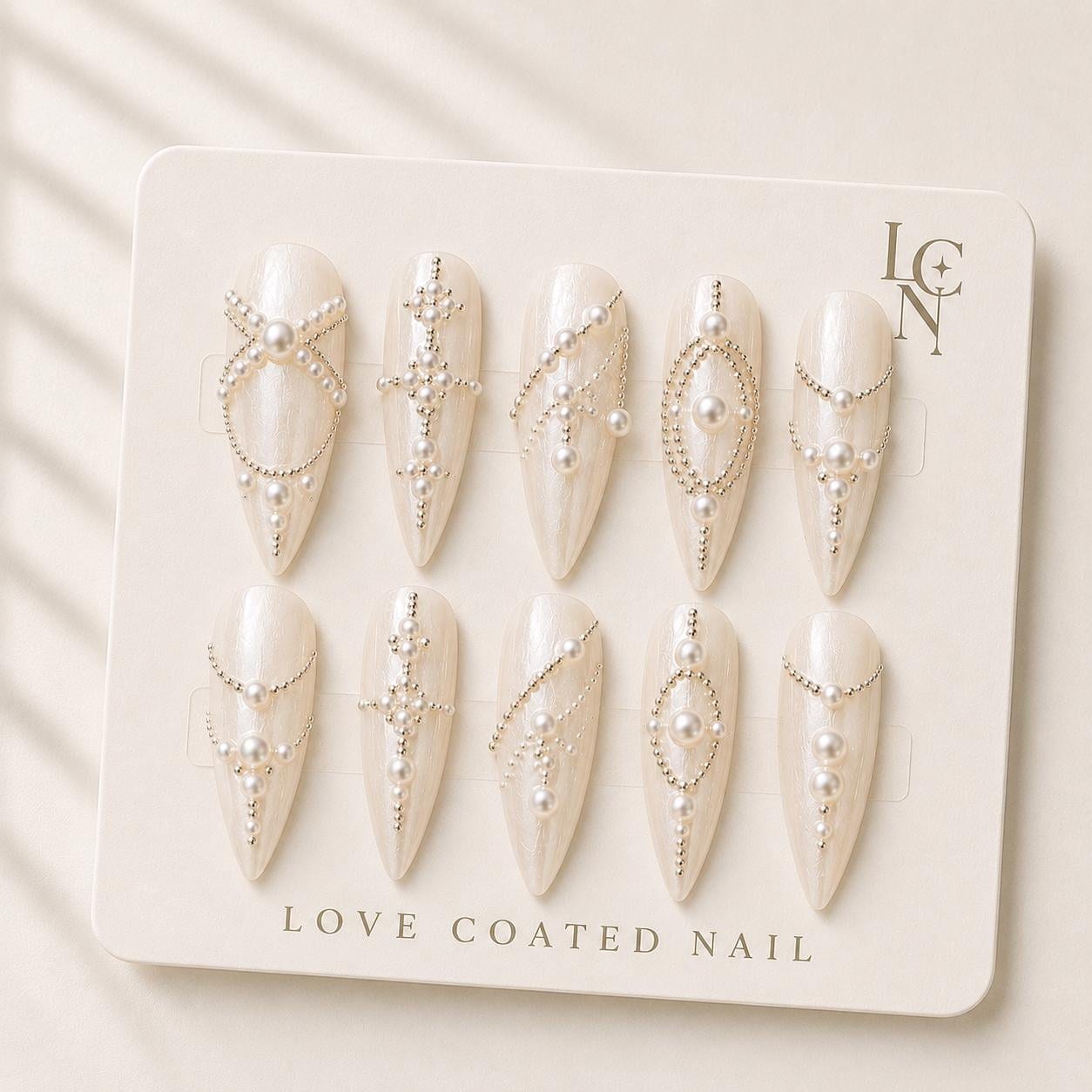
When it comes to attaching bridal press‑on nails, adhesive tabs give you a quick, mess‑free fit that lasts a day or two, while nail glue provides a stronger bond that can endure a full wedding weekend and even the honeymoon. Tabs are ideal for brides who want a painless, no‑tool application and plan to remove the nails shortly after the ceremony. Glue, on the other hand, is the go‑to for longer wear, offering up to three or four weeks of secure attachment when applied correctly.
The first thing most brides consider is how much time they have on the morning of the wedding. Adhesive tabs are pre‑cut, require only a press, and eliminate the need for a bottle of glue or a drying lamp. This simplicity can reduce pre‑wedding stress, especially if you’re getting ready with a bridal party. Love Coated Nail’s bridal set includes 24 tabs, enough for a quick change‑over if you need to replace a nail during the day. Glue demands a few extra steps: applying a thin layer, waiting for it to become tacky, and pressing the nail into place. The process adds a few minutes, but the payoff is a bond that holds up through tears, dancing, and even a splash of champagne.
Wear time is the most tangible difference. Tabs are designed for short‑term wear; most users report 1–2 days before the bond starts to loosen, especially if the nails are exposed to moisture or frequent hand washing. For a one‑day ceremony, that’s usually sufficient. Glue creates a gel‑like seal that can keep the press‑ons intact for three to four weeks, provided you avoid prolonged water exposure in the first few hours. This durability is valuable for brides who want their nails to survive the rehearsal dinner, the ceremony, the reception, and the post‑wedding celebrations without re‑application.
Skin sensitivity and removal are also key factors. Tabs are low‑adhesion and generally gentle on natural nails, making them a safer choice for those with delicate cuticles or a history of nail damage. They peel off with minimal discomfort, and the underlying nail usually needs only a light filing to restore its natural shape. Glue, while stronger, can pull at the nail plate during removal, especially if left on for weeks. Proper removal involves soaking the nails in acetone or using a specialized remover, followed by gentle filing. Brides with sensitive skin may prefer tabs to avoid potential irritation.
Aesthetic considerations can influence the decision as well. Tabs are thin and transparent, so they rarely create a visible line under the press‑on, preserving a seamless look. However, if the tab is not perfectly centered, it can cause a slight bubble or shift that is noticeable in close‑up photos. Glue, when applied evenly, eliminates the tab line entirely, giving a cleaner finish. The trade‑off is the risk of excess glue seeping onto the nail surface, which can create a glossy spot if not smoothed out. Practicing the application beforehand helps you find the right balance.
For a wedding day, many brides adopt a hybrid approach: use tabs for the first few hours to get ready quickly, then reinforce the most vulnerable nails—usually the ring finger and thumb—with a dab of glue. This method combines the convenience of tabs with the longevity of glue where it matters most. Keep a small bottle of high‑quality nail glue and a spare set of tabs in your bridal emergency kit, along with a nail file and cuticle stick for quick touch‑ups. If you choose Love Coated Nail’s ivory almond set, the included prep pads and file make the transition between tabs and glue seamless.