
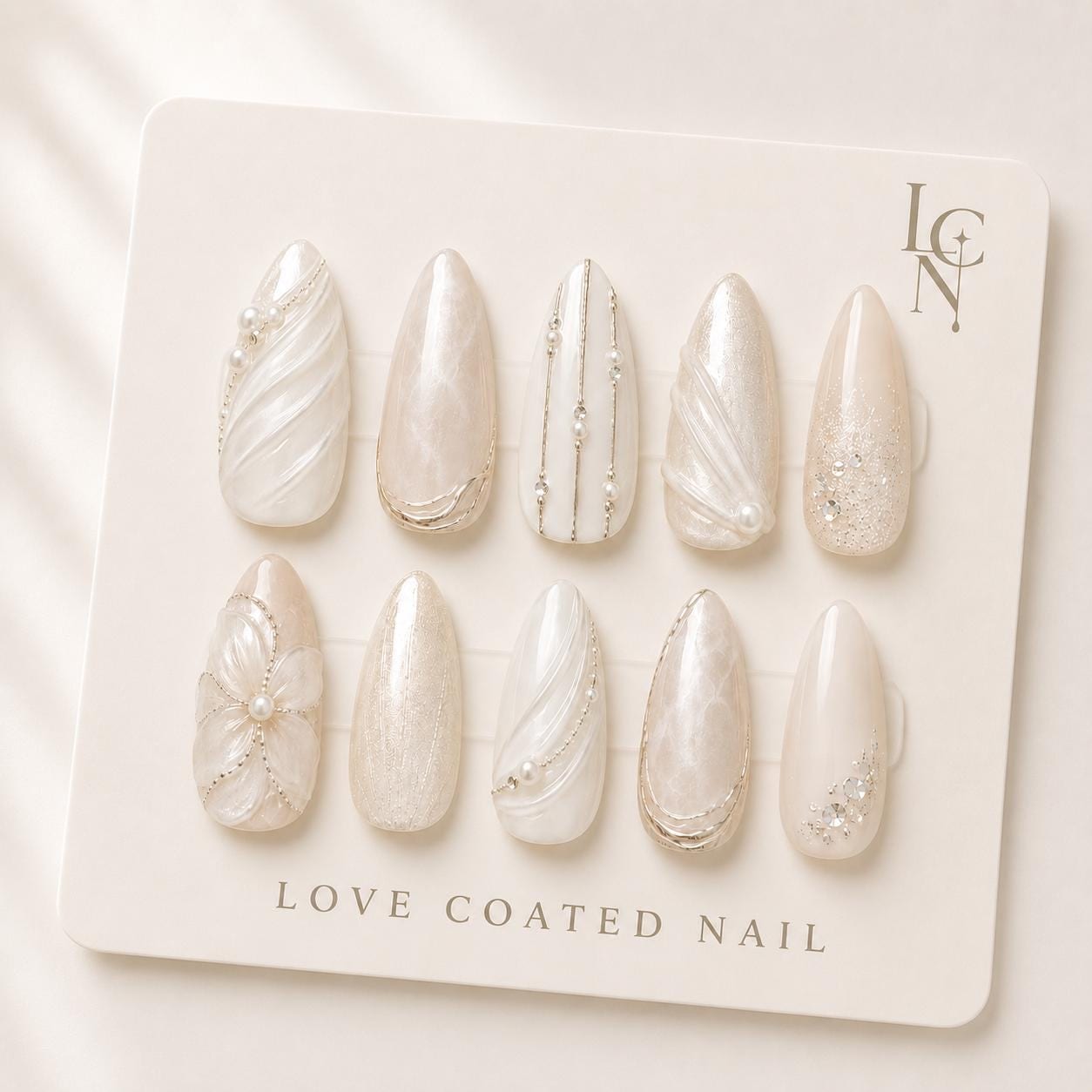
The short answer is that brides with sensitive skin should check the ingredients of nail glue for potential irritants and may find adhesive tabs gentler, but both methods require careful preparation and removal to avoid reactions.
Ingredients in Nail Glue and Common Irritants
Most professional‑grade nail glues contain cyanoacrylate as the primary bonding agent. While cyanoacrylate provides strong adhesion, it can release small amounts of formaldehyde and other volatile compounds during curing. For people with eczema, rosacea, or a history of contact dermatitis, these vapors may trigger itching, redness, or a burning sensation on the nail bed and surrounding skin. Some glues also add stabilizers like benzoyl peroxide or fragrance oils, which are known allergens for a subset of users. If you have a documented sensitivity, request a glue that lists “pure cyanoacrylate, no added fragrance” or test a tiny amount on a hidden finger a day before the wedding.
What Adhesive Tabs Are Made Of and Their Skin Profile
Adhesive tabs are typically composed of a thin medical‑grade acrylic or silicone backing coated with a pressure‑sensitive adhesive. The adhesive is usually a hypoallergenic polymer that does not require a curing reaction, meaning it releases far fewer fumes than glue. Because the bond forms through pressure rather than a chemical cure, the risk of immediate irritation is lower. However, some tab adhesives still contain rubber‑based tackifiers that can cause delayed reactions in highly reactive skin. Look for tabs labeled “hypoallergenic” or “dermatologist tested” and verify that the backing is flexible enough to conform to the natural curve of the nail without pulling on the cuticle.
Application Tips to Minimize Sensitivity
Regardless of the method you choose, preparation is key. Begin by cleaning the natural nail with an alcohol wipe to remove oils, then lightly buff the surface to create a uniform texture. For glue, apply a single, thin bead to the press‑on nail and press firmly for 10‑15 seconds; avoid spreading glue onto the skin. For adhesive tabs, press the tab onto the press‑on nail first, then align the nail with your natural nail, using a gentle press for a few seconds. If you notice any tingling during application, stop immediately and rinse the area with cool water. Using a cuticle stick to push back cuticles can reduce the amount of skin exposed to the adhesive.
Removal and After‑care for Sensitive Skin
Gentle removal protects both the natural nail and the skin barrier. For glue, soak the fingertips in warm, soapy water for 5‑10 minutes, then slide a wooden stick under the press‑on nail to lift it without pulling. Avoid using metal tools that can scrape the skin. For adhesive tabs, peel them off slowly from the outer edge; if resistance is felt, re‑soak the nail to soften the adhesive. After removal, apply a fragrance‑free moisturizer or a barrier ointment such as petroleum jelly to replenish moisture and calm any residual irritation. If redness persists for more than a few hours, consult a dermatologist before re‑applying any product.